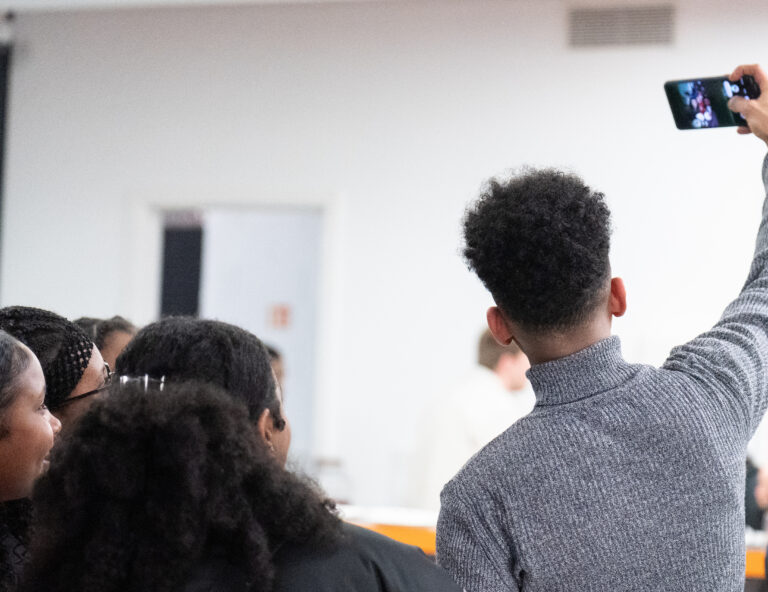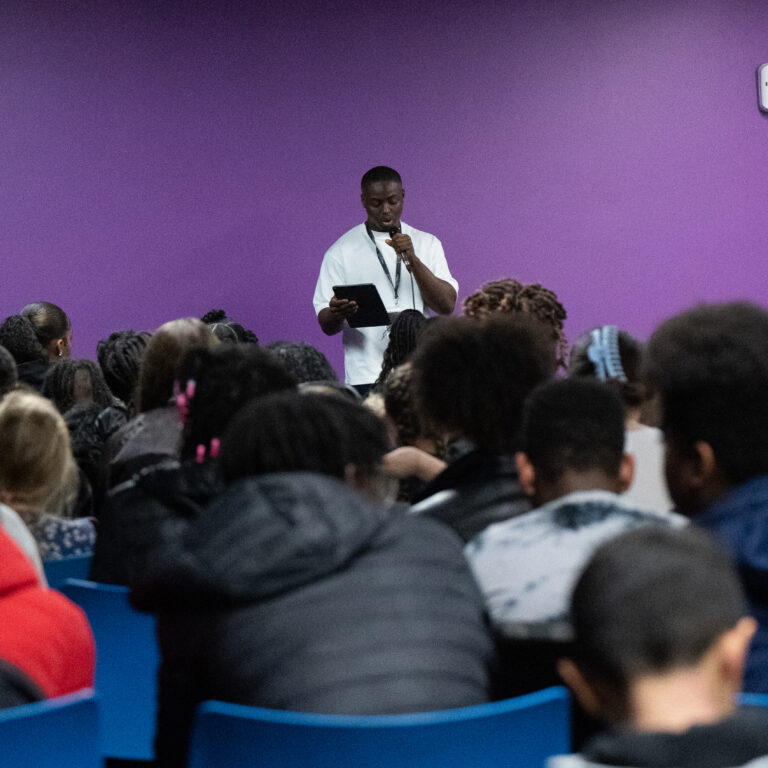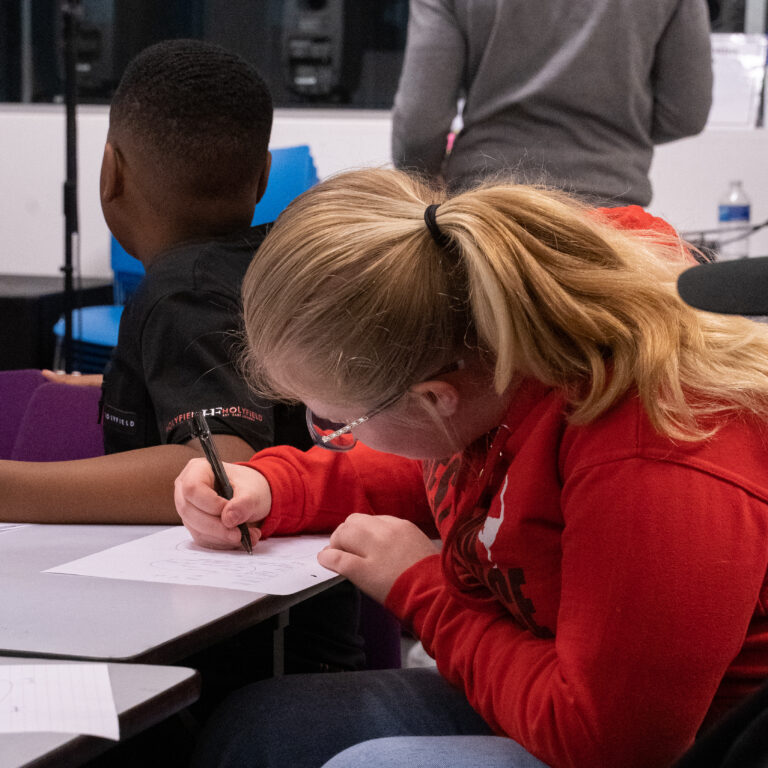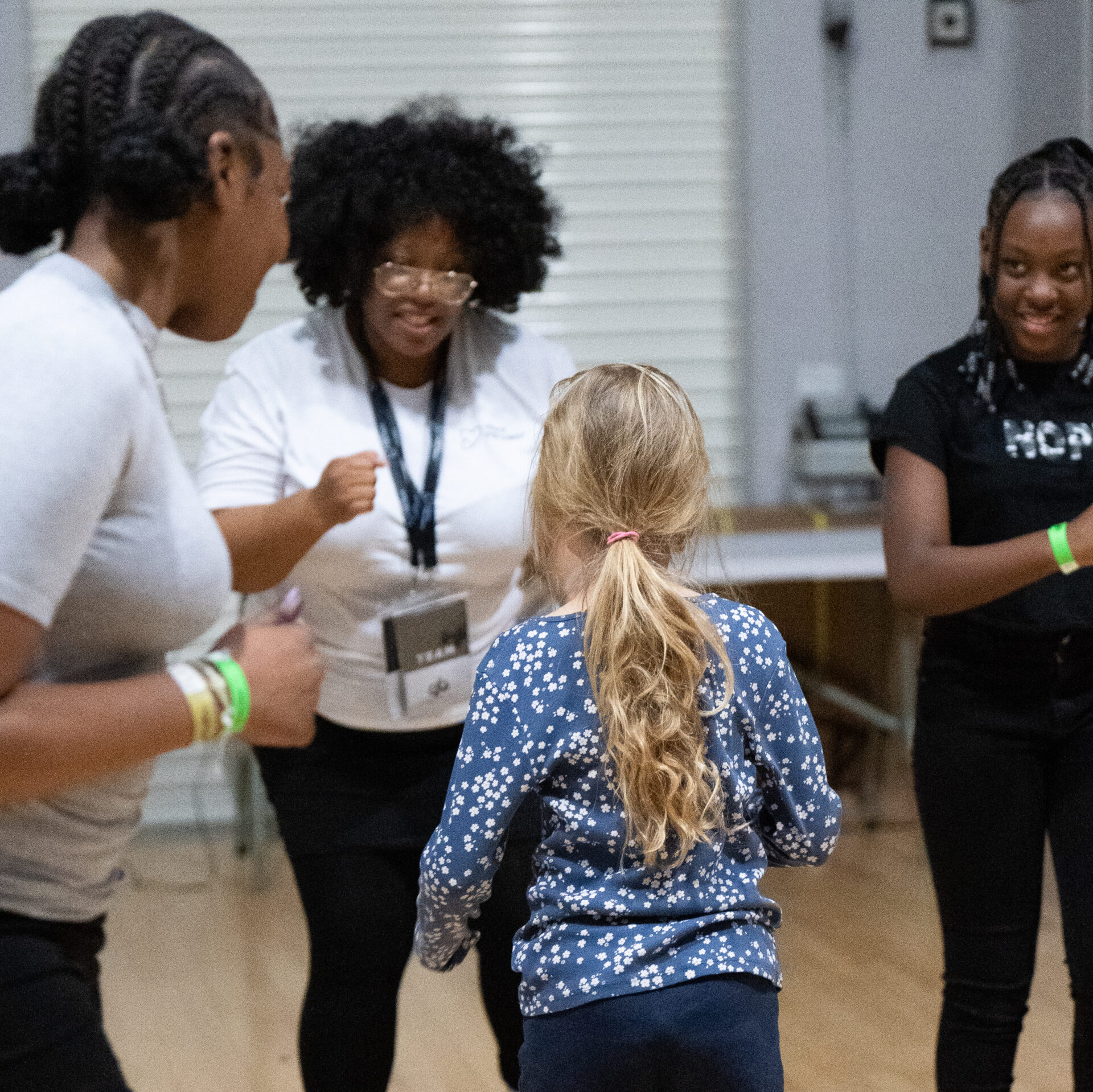
Because of You…

Young people in England are being reached through:

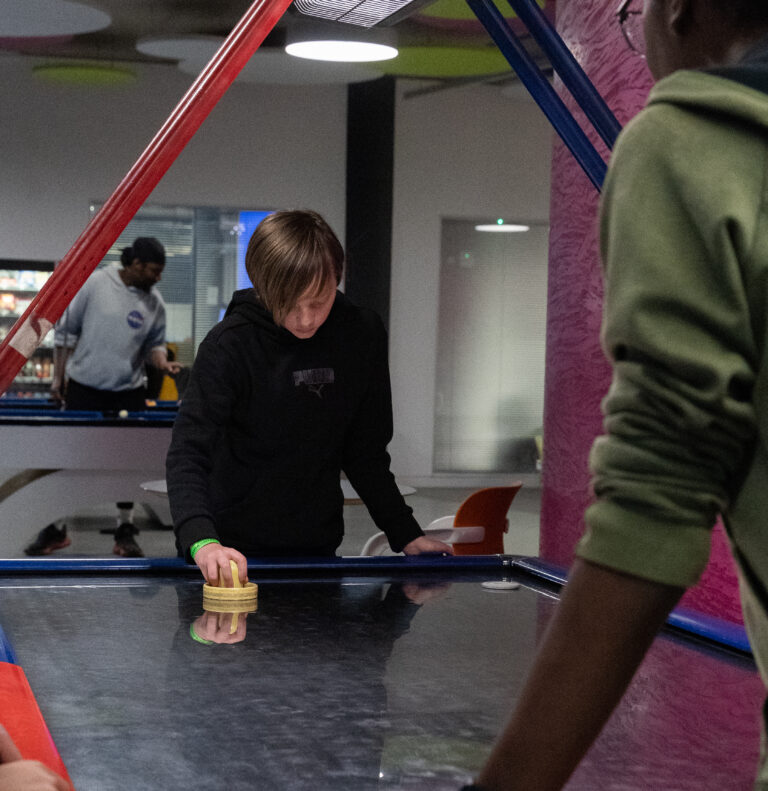
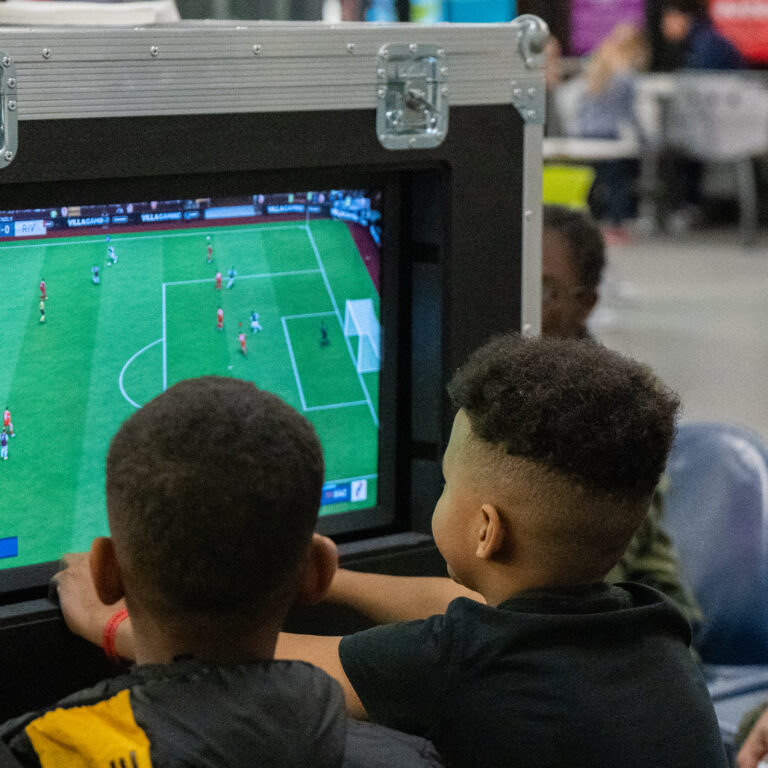
1) More than 60 Local Centres: Local Youth for Christ Centres tackle the real issues facing young people today, such as: family breakdown, binge drinking, bullying and self-worth. Activities such as: drop-in youth clubs, school lessons, social-action projects and detached youthwork on the streets.

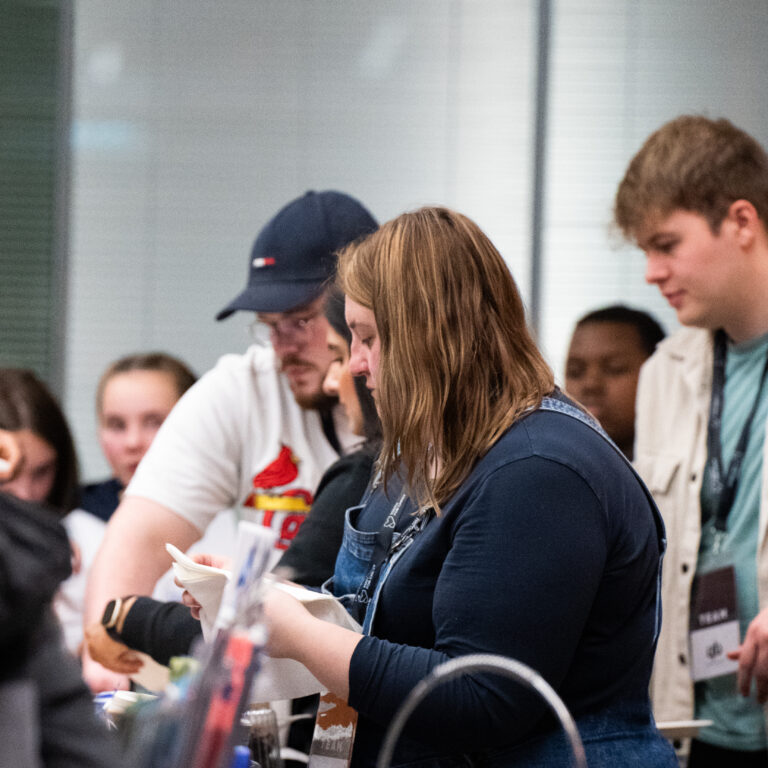
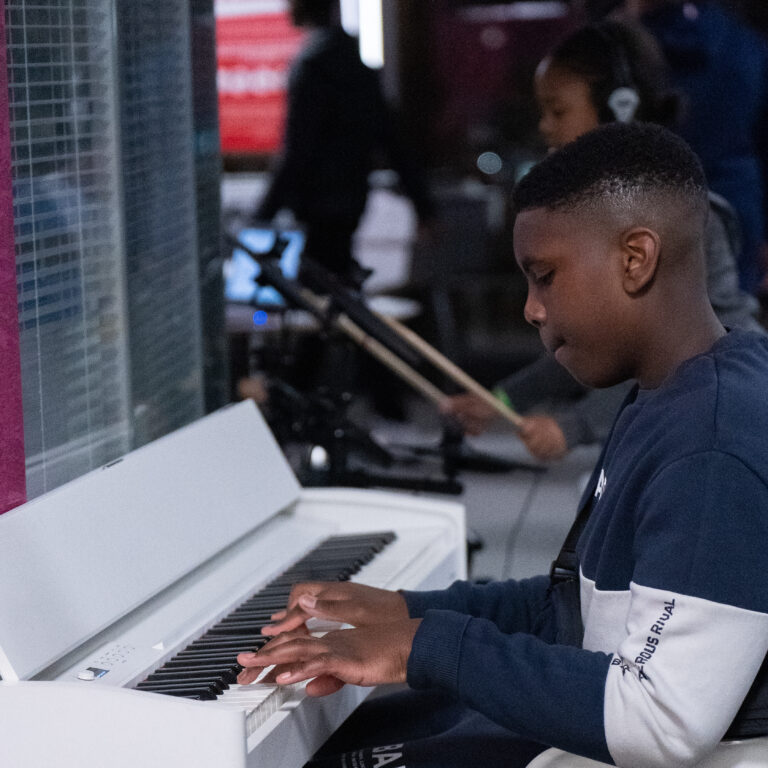
2) Yfcone: Youth for Christ’s unique approach to mission is to reach young people with young people. Teaching young-adults how to use their individual gifts in music, sport, leadership, dance, youthwork, and communication, to share their faith with their peers, and place volunteers in teams located around Britain.

3) Resourcing over 1000 Churches: to reach out to their local young people with relevant youth resources and evangelistic activity holidays. Mettle, a new resource, enables churches to reach and disciple 14-18 year olds with fresh, ongoing material.

4) Reflex: is the nationwide initiative helping Young Offenders in custody to build a fresh start. Youth for Christ is investing in young people on the fringe of society, building their self-esteem by encouraging creative reflection and positive expression. Care is also provided for ex-offenders, meeting them at the gate after their release and helping them to find a place to live, a job and a church.

About The United Kingdom

United Kingdom

Introduction

The United Kingdom has historically played a leading role in developing parliamentary democracy and in advancing literature and science. At its zenith in the 19th century, the British Empire stretched over one-fourth of the earth's surface. The first half of the 20th century saw the UK's strength seriously depleted in two World Wars and the Irish republic withdraw from the union. The second half witnessed the dismantling of the Empire and the UK rebuilding itself into a modern and prosperous European nation. As one of five permanent members of the UN Security Council, a founding member of NATO, and of the Commonwealth, the UK pursues a global approach to foreign policy. The UK is also an active member of the EU, although it chose to remain outside the Economic and Monetary Union. Devolution and constitutional reform have been significant recent issues in the UK. The Scottish Parliament, the National Assembly for Wales, and the Northern Ireland Assembly were established in 1999, but the latter was suspended until May 2007 due to wrangling over the peace process.

Geography

Location

Location: Western Europe, islands including the northern one-sixth of the island of Ireland between the North Atlantic Ocean and the North Sea, northwest of France
Geographic Coordinates: 54 00 N, 2 00 W

Area

Total Area: 243,610 sq km Rank: 79
Land Area: 241,930 sq km
Water Area: 1,680 sq km
Note: includes Rockall and Shetland Islands
Comparison: slightly smaller than Oregon
Land Boundaries: 360 km
Bordering Countries: Ireland 360 km
Coastline: 12,429 km

Climate

temperate; moderated by prevailing southwest winds over the North Atlantic Current; more than one-half of the days are overcast

Terrain

mostly rugged hills and low mountains; level to rolling plains in east and southeast

Elevations

Lowest Point: The Fens -4 m
Highest Point: Ben Nevis 1,343 m

Natural Resources

coal, petroleum, natural gas, iron ore, lead, zinc, gold, tin, limestone, salt, clay, chalk, gypsum, potash, silica sand, slate, arable land

Land Use

Arable land: 23.23%
Permanent Crops: 0.2%
Other: 76.57% (2005)
Irrigated Land: 1,700 sq km (2003)
Renewable Water Resources: 160.6 cu km (2005)
Total Freshwater withdrawal (domestic/industrial/agricultural): 11.75 cu km/yr (22%/75%/3%)
Freshwater Withdrawal Per Capita: 197 cu m/yr (1994)

Environment

Natural Hazards: winter windstorms; floods
Environmental Issues: continues to reduce greenhouse gas emissions (has met Kyoto Protocol target of a 12.5% reduction from 1990 levels and intends to meet the legally binding target and move toward a domestic goal of a 20% cut in emissions by 2010); by 2005 the government reduced the amount of industrial and commercial waste disposed of in landfill sites to 85% of 1998 levels and recycled or composted at least 25% of household waste, increasing to 33% by 2015
Environmental Agreements: Party to: Air Pollution, Air Pollution-Nitrogen Oxides, Air Pollution-Persistent Organic Pollutants, Air Pollution-Sulfur 94, Air Pollution-Volatile Organic Compounds, Antarctic-Environmental Protocol, Antarctic-Marine Living Resources, Antarctic Seals, Antarctic Treaty, Biodiversity, Climate Change, Climate Change-Kyoto Protocol, Desertification, Endangered Species, Environmental Modification, Hazardous Wastes, Law of the Sea, Marine Dumping, Marine Life Conservation, Ozone Layer Protection, Ship Pollution, Tropical Timber 83, Tropical Timber 94, Wetlands, Whaling

Geography Notes

lies near vital North Atlantic sea lanes; only 35 km from France and linked by tunnel under the English Channel; because of heavily indented coastline, no location is more than 125 km from tidal waters

People

Population: 61,113,205 (July 2010 est.) Rank: 22

Age Structure

0-14 years: 16.7% (male 5,233,756/female 4,986,131)
15-64 years: 67.1% (male 20,774,192/female 20,246,519)
65 years and over: 16.2% (male 4,259,654/female 5,612,953) (2010 est.)
Median Age: 38.6 years

Population Growth

Growth Rate: 0.279% (2010 est.) Rank: 176
Birth Rate: 10.65 births/1,000 population (2010 est.) Rank: 182
Death Rate: 10.02 deaths/1,000 population (July 2010 est.) Rank: 63
Net Migration Rate: 2.16 migrant(s)/1,000 population (2010 est.) Rank: 40

Urbanization

Urban Population: 90% of total population (2008)
Rate of Urbanization: 0.5% annual rate of change (2005-10 est.)

Life and Death

Infant Mortality Rate: 4.85 deaths/1,000 live births Rank: 194
Life Expectancy at Birth: 79.01 years Rank: 36
Fertility Rate: 1.66 children born/woman (2010 est.) Rank: 175

Health and Disease

HIV/AIDS - Adult Prevalence Rate: 0.2% (2007 est.) Rank: 95
People living with HIV/AIDS: 77,000 (2007 est.) Rank: 52
HIV/AIDS Deaths: fewer than 500 (2007 est.) Rank: 90

Nationality and Culture

Noun: Briton(s), British (collective plural)
Adjective: British
Ethnic Groups: white (of which English 83.6%, Scottish 8.6%, Welsh 4.9%, Northern Irish 2.9%) 92.1%, black 2%, Indian 1.8%, Pakistani 1.3%, mixed 1.2%, other 1.6% (2001 census)
Religion: Christian (Anglican, Roman Catholic, Presbyterian, Methodist) 71.6%, Muslim 2.7%, Hindu 1%, other 1.6%, unspecified or none 23.1% (2001 census)
Languages: English

Education

Literacy: Meaning age 15 and over has completed five or more years of schooling. Total population: 99%. Male: 99%. Female: 99% (2003 est.)
School life expectancy (primary to tertiary education): 16 years Male: 16 years Female: 17 years (2006)
Education expenditures: 5.6% of GDP (2005) Rank: 47

Government

Country Name

Conventional Long Form: United Kingdom of Great Britain and Northern Ireland; note - Great Britain includes England, Scotland, and Wales
Conventional Short Form: United Kingdom
Abbreviation: UK
Government Type: constitutional monarchy and Commonwealth realm
Capital: London Geographic Coordinates: 51 30 N, 0 10 W
Independence: 12 April 1927 (Royal and Parliamentary Titles Act establishes current name of the United Kingdom of Great Britain and Northern Ireland); notable earlier dates: 927 (minor English kingdoms united); 3 March 1284 (enactment of the Statute of Rhuddlan uniting England and Wales); 1536 (Act of Union formally incorporates England and Wales); 1 May 1707 (Acts of Union formally unite England and Scotland as Great Britain); 1 January 1801 (Acts of Union formally unite Great Britain and Ireland as the United Kingdom of Great Britain and Ireland); 6 December 1921 (Anglo-Irish Treaty formalizes partition of Ireland; six counties remain part of the United Kingdom as Northern Ireland)
National holiday: the UK does not celebrate one particular national holiday
Constitution: unwritten; partly statutes, partly common law and practice
Legal system: based on common law tradition with early Roman and modern continental influences; has nonbinding judicial review of Acts of Parliament under the Human Rights Act of 1998; accepts compulsory ICJ jurisdiction with reservations
Suffrage: 18 years of age; universal

Executive Branch

Chief of State: Queen ELIZABETH II (since 6 February 1952); Heir Apparent Prince CHARLES (son of the queen, born 14 November 1948)
Head of Government: Prime Minister David CAMERON (since 11 May 2010)
Cabinet: Cabinet of Ministers appointed by the prime minister
Elections: the monarchy is hereditary; following legislative elections, the leader of the majority party or the leader of the majority coalition usually the prime minister

Legislative Branch

bicameral Parliament consists of House of Lords (740 seats; consisting of approximately 622 life peers, 92 hereditary peers, and 26 clergy - as of 14 December 2009) and House of Commons (650 seats since 2010 elections; members elected by popular vote to serve five-year terms unless the House is dissolved earlier)
Elections: House of Lords - no elections (note - in 1999, as provided by the House of Lords Act, elections were held in the House of Lords to determine the 92 hereditary peers who would remain there; elections are held only as vacancies in the hereditary peerage arise); House of Commons - last held on 6 May 2010 (next to be held by June 2015)
Election Results: House of Commons - percent of vote by party - Conservative 36.1%, Labor 29%, Liberal Democrats 23%, other 11.9%; seats by party - Conservative 305, Labor 258, Liberal Democrat 57, other 30
Note: in 1998 elections were held for a Northern Ireland Assembly (because of unresolved disputes among existing parties, the transfer of power from London to Northern Ireland came only at the end of 1999 and has been suspended four times, the latest occurring in October 2002 and lasting until 8 May 2007); in 1999, the UK held the first elections for a Scottish Parliament and a Welsh Assembly, the most recent of which were held in May 2007

Judicial branch

Supreme Court of the UK (established in October 2009 taking over appellate jurisdiction formerly vested in the House of Lords); Senior Courts of England and Wales (comprising the Court of Appeal, the High Court of Justice, and the Crown Courts); Court of Judicature (Northern Ireland); Scotland's Court of Session and High Court of the Justiciary

Politics

Political Parties and Leaders: Conservative [David CAMERON]; Democratic Unionist Party or DUP (Northern Ireland) [Peter ROBINSON]; Labor Party [Harriet HARMAN]; Liberal Democrats (Lib Dems) [Nick CLEGG]; Party of Wales (Plaid Cymru) [Ieuan Wyn JONES]; Scottish National Party or SNP [Alex SALMOND]; Sinn Fein (Northern Ireland) [Gerry ADAMS]; Social Democratic and Labor Party or SDLP (Northern Ireland) [Margaret RICHIE]; Ulster Unionist Party (Northern Ireland) [Sir Reg EMPEY]
Political Pressure Groups and Leaders: Campaign for Nuclear Disarmament; Confederation of British Industry; National Farmers' Union; Trades Union Congress
International Organization Participation: ADB (nonregional member), AfDB (nonregional member), Arctic Council (observer), Australia Group, BIS, C, CBSS (observer), CDB, CE, CERN, EAPC, EBRD, EIB, ESA, EU, FAO, FATF, G-20, G-5, G-7, G-8, G-10, IADB, IAEA, IBRD, ICAO, ICC, ICCt, ICRM, IDA, IEA, IFAD, IFC, IFRCS, IHO, ILO, IMF, IMO, IMSO, Interpol, IOC, IOM, IPU, ISO, ITSO, ITU, ITUC, MIGA, NATO, NEA, NSG, OAS (observer), OECD, OPCW, OSCE, Paris Club, PCA, PIF (partner), SECI (observer), UN, UN Security Council, UNCTAD, UNESCO, UNHCR, UNIDO, UNMIS, UNRWA, UPU, WCO, WFTU, WHO, WIPO, WMO, WTO, ZC
Flag Description: blue field with the red cross of Saint George (patron saint of England) edged in white superimposed on the diagonal red cross of Saint Patrick (patron saint of Ireland), which is superimposed on the diagonal white cross of Saint Andrew (patron saint of Scotland); properly known as the Union Flag, but commonly called the Union Jack; the design and colors (especially the Blue Ensign) have been the basis for a number of other flags including other Commonwealth countries and their constituent states or provinces, and British overseas territories

Economy

Economy Overview: The UK, a leading trading power and financial center, is one of the quintet of trillion dollar economies of Western Europe. Over the past two decades, the government has greatly reduced public ownership and contained the growth of social welfare programs. Agriculture is intensive, highly mechanized, and efficient by European standards, producing about 60% of food needs with less than 2% of the labor force. The UK has large coal, natural gas, and oil resources, but its oil and natural gas reserves are declining and the UK became a net importer of energy in 2005. Services, particularly banking, insurance, and business services, account by far for the largest proportion of GDP while industry continues to decline in importance. Since emerging from recession in 1992, Britain's economy enjoyed the longest period of expansion on record during which time growth outpaced most of Western Europe. In 2008, however, the global financial crisis hit the economy particularly hard, due to the importance of its financial sector. Sharply declining home prices, high consumer debt, and the global economic slowdown compounded Britain's economic problems, pushing the economy into recession in the latter half of 2008 and prompting the BROWN government to implement a number of measures to stimulate the economy and stabilize the financial markets; these include nationalizing parts of the banking system, cutting taxes, suspending public sector borrowing rules, and moving forward public spending on capital projects. Public finances, weak before the economic slowdown, deteriorated markedly during 2009, as did employment. The Bank of England periodically coordinates interest rate moves with the European Central Bank, but Britain remains outside the European Economic and Monetary Union (EMU).

Gross Domestic Product

GDP (purchasing power parity): $2.128 trillion (2009 est.) Rank: 7
GDP - real growth rate: -4.9% (2009 est.) Rank: 184
GDP - per capita (PPP): $34,800 (2009 est.) Rank: 35
GDP - Composition by Sector: Agriculture: 1.2% Industry: 23.8% Services: 75% (2009 est.)

Labor Force

Labor Force: 31.37 million (2009 est.) Rank: 18
Labor force - by occupation: Agriculture: 1.4% Industry: 18.2% Services: 80.4% (2006 est.)
Unemployment Rate: 7.6% (2009 est.) Rank: 76

Poverty

Population below poverty line: 14% (2006 est.)

Transnational Issues

International Disputes: in 2002, Gibraltar residents voted overwhelmingly by referendum to reject any "shared sovereignty" arrangement between the UK and Spain; the Government of Gibraltar insists on equal participation in talks between the two countries; Spain disapproves of UK plans to grant Gibraltar greater autonomy; Mauritius and Seychelles claim the Chagos Archipelago (British Indian Ocean Territory), and its former inhabitants since their eviction in 1965; most Chagossians reside in Mauritius, and in 2001 were granted UK citizenship, where some have since resettled; in May 2006, the High Court of London reversed the UK Government's 2004 orders of council that banned habitation on the islands; UK rejects sovereignty talks requested by Argentina, which still claims the Falkland Islands (Islas Malvinas) and South Georgia and the South Sandwich Islands; territorial claim in Antarctica (British Antarctic Territory) overlaps Argentine claim and partially overlaps Chilean claim; Iceland, the UK, and Ireland dispute Denmark's claim that the Faroe Islands' continental shelf extends beyond 200 nm

Want to know more? Show Full Profile